How We Built a B2B Farm-to-Business Delivery Platform That Cut Procurement Time by 40%
Introduction
Every great product starts with a real problem. For Sprouzee, that problem was painfully familiar to anyone in the food business: farmers sitting on fresh produce with no efficient way to reach business buyers, and restaurants waiting days for deliveries that should have taken hours.
When the Sprouzee team approached Aprodence, they had a clear vision but needed the right technology partner to make it real. What followed was a 120-day build that resulted in a platform that reduced procurement time by 40%, cut food waste, and connected farmers directly with businesses — all through two elegant mobile apps.
Here’s the full story of how we built it.
Understanding the Problem First
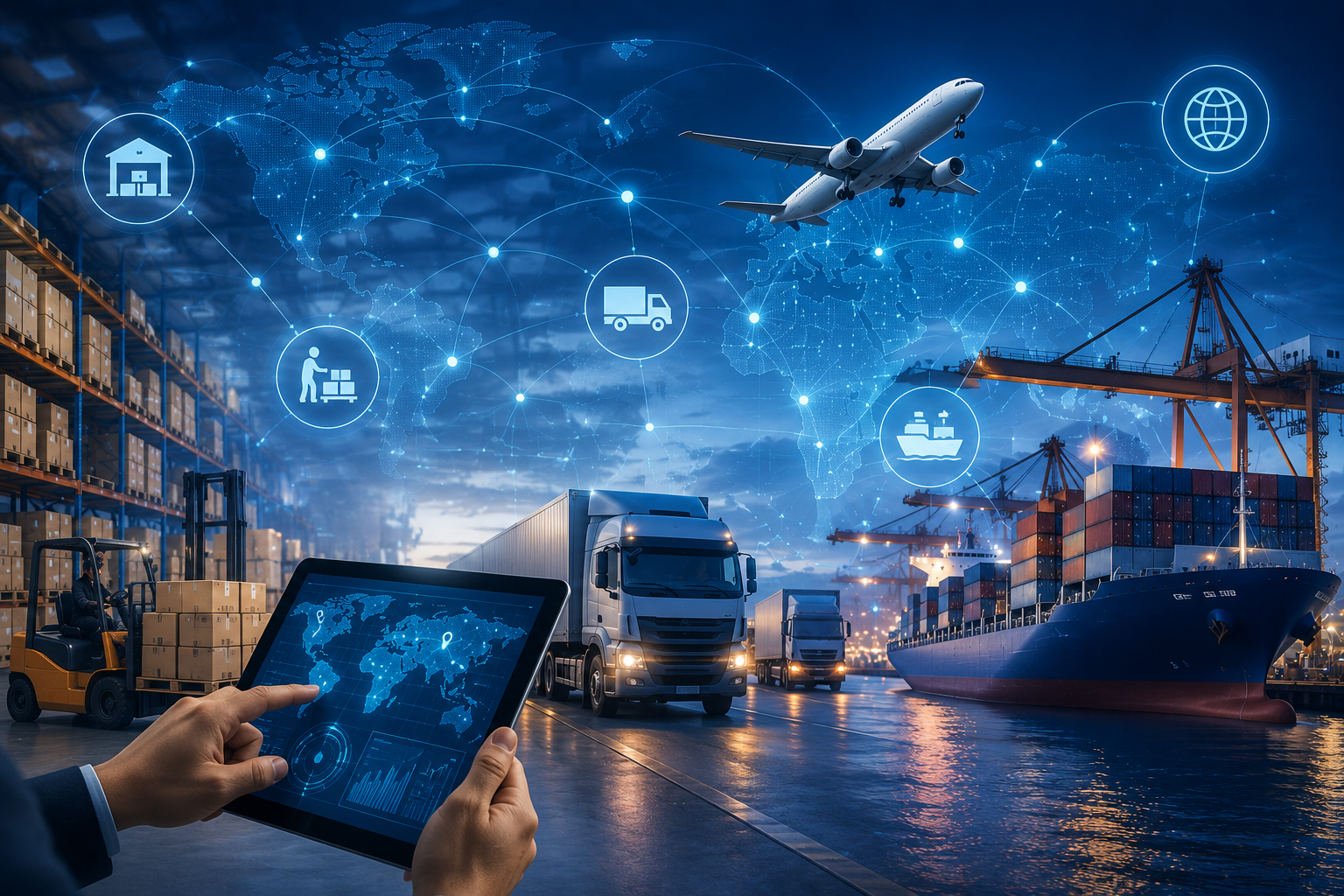
Before writing a single line of code, we spent time understanding the actual pain points. The food supply chain has layers — farmers, aggregators, distributors, and finally the business buyer. Each layer adds time, cost, and a chance for things to go wrong.
The specific challenges we needed to solve were:
- Restaurants and cafes had no visibility into when their order would arrive
- Farmers had no direct channel to reach business buyers
- Drivers had no route optimization — they were often making inefficient trips
- Communication was all manual — phone calls, WhatsApp messages, paper logs
- Rural farms had unreliable internet, making real-time apps tricky to implement
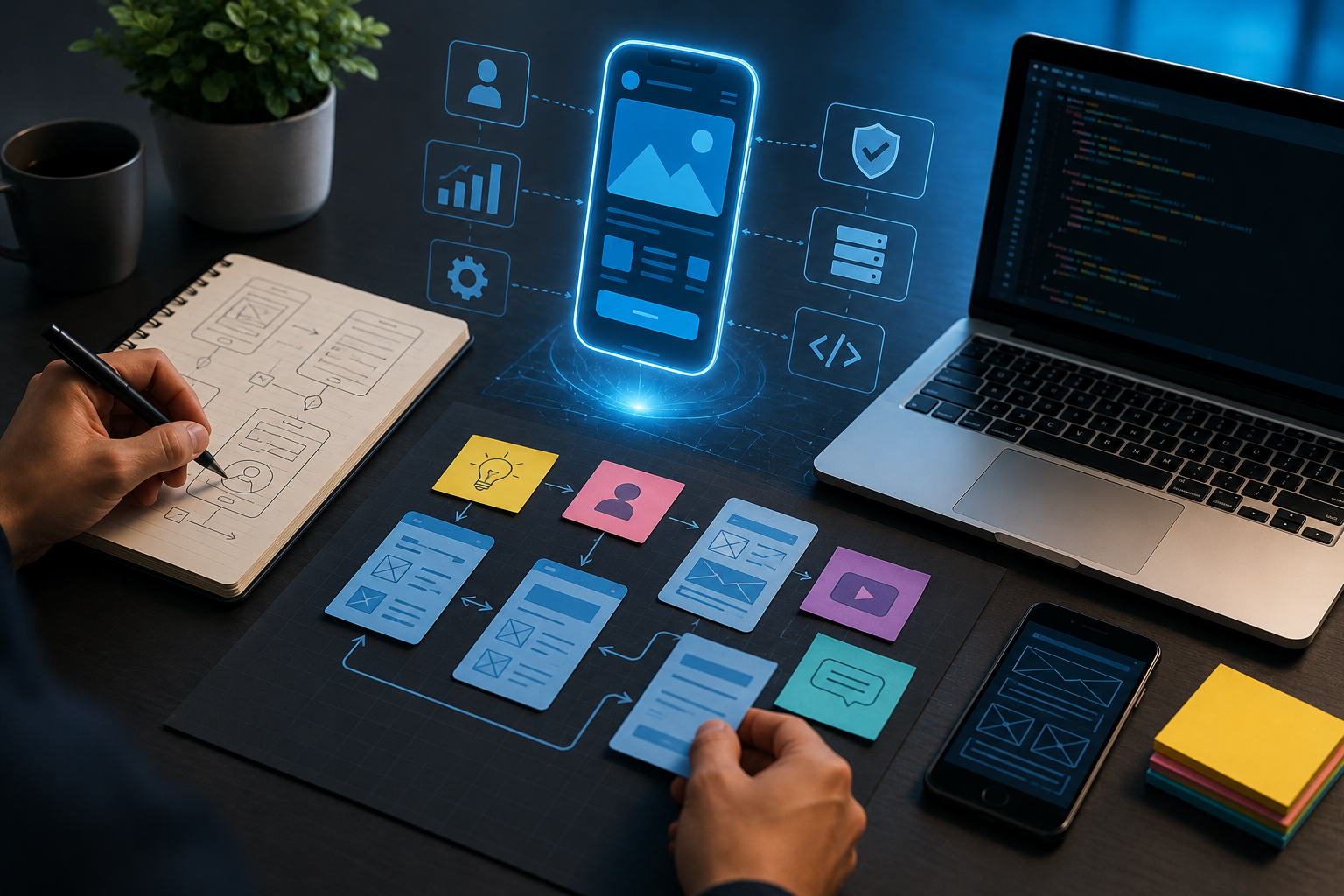
Once we had this picture clearly mapped out, the solution became obvious. We needed a three-sided platform — one app for buyers, one for drivers, and a central dashboard for management.
The Architecture Decision: Why Two Apps?
One of the first decisions we made was to build two separate apps — one for buyers (businesses) and one for drivers — rather than combining them into one.
The reason is simple: the needs of a restaurant manager placing a bulk order are completely different from the needs of a delivery driver navigating a route. Cramming both into one app would make it complicated and slow. Separate apps meant each user got a clean, focused experience designed exactly for their workflow.
Both apps talk to the same backend — so an order placed by a restaurant instantly appears in the driver’s queue.
Building the Shopper App (For Business Buyers)
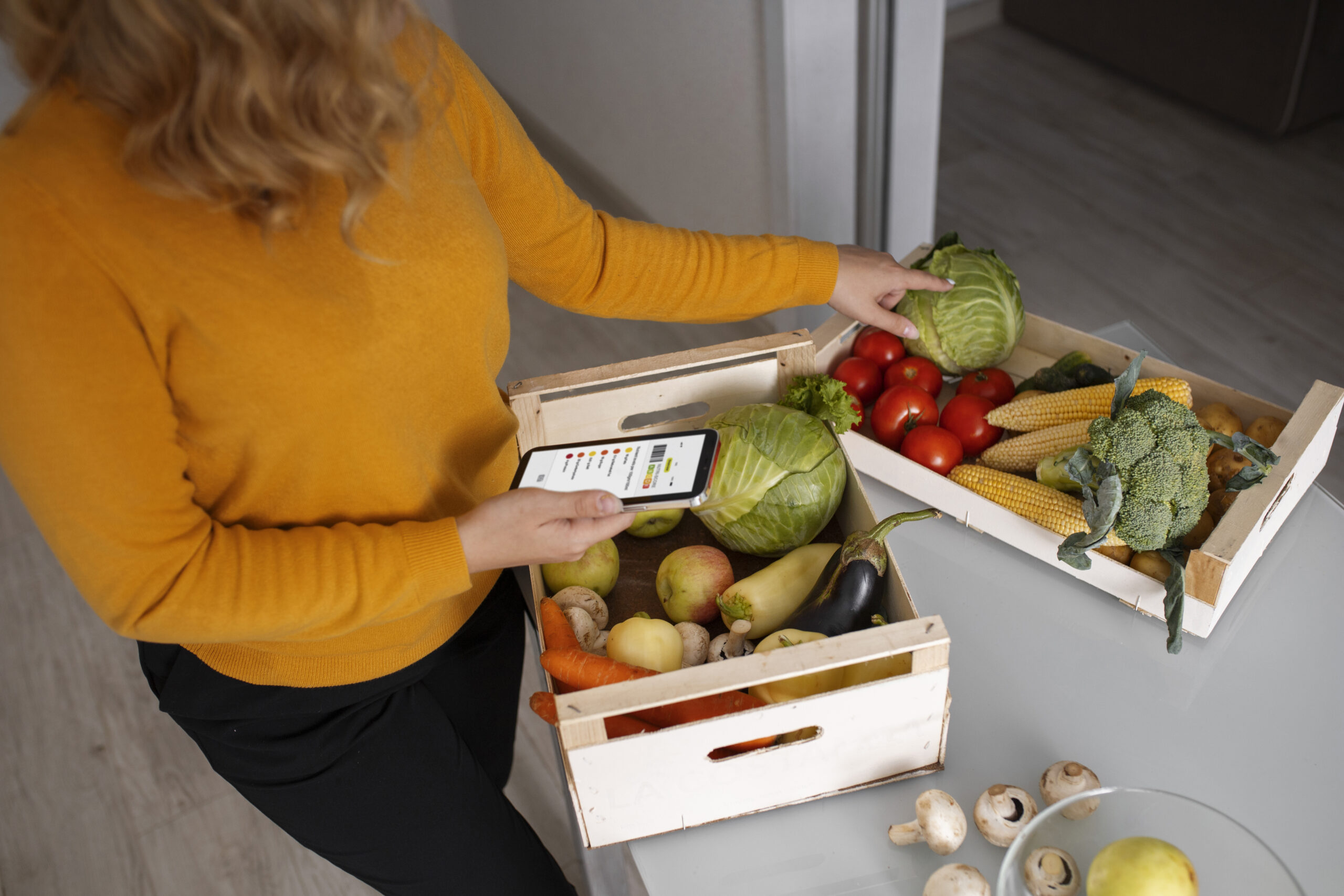
The Shopper App is what a restaurant manager, cafe owner, or grocery buyer uses. Our goal was to make it feel as simple as ordering on Amazon — but built for bulk, professional food procurement.
Key features we built:
- A product catalog with filters by farm, produce type, season, and availability
- Bulk ordering with quantity selection and scheduled delivery dates
- Secure in-app payment with multiple gateway support
- Real-time order tracking — from farm pickup to doorstep delivery
- Order history with one-tap reordering for recurring purchases
The real-time tracking feature was particularly important. Restaurant kitchens run on tight schedules. Knowing exactly when produce will arrive lets them plan prep times accurately — reducing waste and last-minute scrambling.
Building the Driver App
The Driver App had one core job: make every delivery as efficient as possible.
Features we focused on:
- Route optimization — the app calculates the fastest path covering all pickups and deliveries
- Live GPS tracking shared with the buyer in real time
- Proof-of-delivery via photo capture or digital signature
- Automatic inventory sync with the farm side so drivers always know what they’re picking up
- Push notifications for new assignments and order changes
Route optimization sounds like a small thing, but the impact is significant. In our testing, optimized routes reduced average delivery time by nearly 25% compared to drivers navigating manually. That adds up fast across dozens of deliveries a day.
The Toughest Challenge: Rural Connectivity
Here’s a problem nobody talks about enough in food supply chain tech: farms are in the countryside. Countryside means weak mobile signals. Weak signals mean apps that rely on constant internet connectivity break down at exactly the wrong moment.
We solved this by building the notification system on Firebase Cloud Messaging — a technology that’s specifically designed to deliver messages reliably even in low-bandwidth environments. Messages are queued and delivered as soon as connectivity is available, so no update gets lost.
This was a deliberate technical choice that made the platform practical in real-world rural conditions — not just in a city demo.
The Results After Launch
After Sprouzee went live, the numbers told the story clearly:
- Procurement time reduced by 40% — businesses received orders significantly faster than through traditional channels
- Food spoilage dropped because optimized routes meant produce spent less time in transit
- Farmers reported reaching new business buyers without relying on brokers for the first time
- The platform handled simultaneous orders across multiple buyers and drivers without performance issues
The client’s operations head, Amit K., put it simply: the platform improved delivery times and operational efficiency by 35% — and simplified their entire supply chain management.
What We Learned Building Sprouzee
Every project teaches you something. Sprouzee taught us three things we carry into every logistics platform we build now:
1. Simplicity wins over features
Early in the project, there was a temptation to add more features — ratings, in-app chat, analytics dashboards for farmers. We pushed back. A platform that does three things extremely well is always better than one that does ten things adequately. We kept the core tight and clean.
2. Real-world conditions should guide technical decisions
The rural connectivity problem could have been ignored in the name of saving development time. We’re glad we didn’t. A platform that fails in the field — even occasionally — destroys trust fast.
3. The three-sided model needs careful balance
When you have buyers, drivers, and admins all depending on the same system, every feature affects all three sides. We learned to think through the ripple effect of every design decision before building.
Could This Platform Work in the USA?
Absolutely — and honestly, the US market is one of the most ready for this kind of solution. The American farm-to-table movement is well established, and restaurants actively seek local sourcing. The technology to connect them efficiently is still catching up.
A B2B farm-to-business platform built for the US market would need to account for local payment systems, compliance with food safety regulations, and potentially integration with existing restaurant management software — all things an experienced team can handle.
If you’re looking to build this for the US market, the Sprouzee architecture gives you a proven foundation to build on — rather than starting from zero.
Conclusion
Sprouzee is proof that the right technology, built with the right thinking, can genuinely transform an industry that’s been running the same way for decades. The farm-to-business supply chain doesn’t need to be slow, opaque, and wasteful.
We built Sprouzee in 120 days. If you have a similar vision for your market, let’s talk — get a free product consultation at aprodence.com.
Frequently Asked Questions
Sprouzee is a dual-app B2B farm-to-business delivery platform built by Aprodence Technologies. It connects farmers directly with restaurants, cafes, and grocery stores through a Shopper App for buyers and a Driver App for delivery management.
The full platform was built and delivered in 120 days by the Aprodence development team.
Buyers and drivers have completely different needs. A restaurant manager placing bulk orders needs a very different interface than a driver navigating a delivery route. Separate apps give each user a clean, focused experience — resulting in higher adoption and fewer errors.
By using Firebase Cloud Messaging, which is specifically designed to deliver messages reliably even in low-bandwidth conditions. Messages are queued and sent as soon as connectivity is available, ensuring no update is missed.
Yes. Aprodence has the proven architecture and experience from building Sprouzee, and can adapt it for the US market — including local payment integration, food safety compliance, and regional scaling requirements.
Restaurants, hotels, cafes, catering companies, and grocery stores that rely on regular fresh produce deliveries benefit most. Farmers and cooperatives looking to reach business buyers directly also benefit significantly.