B2B Farm-to-Business Delivery Platform: Features, Tech Stack & What It Costs to Build
Introduction
If you run a restaurant, a grocery chain, or a food business of any kind, you already know the frustration. You call a supplier, wait for a callback, get a delivery that’s two days late, and by the time the produce arrives, it’s not as fresh as promised. Sound familiar?
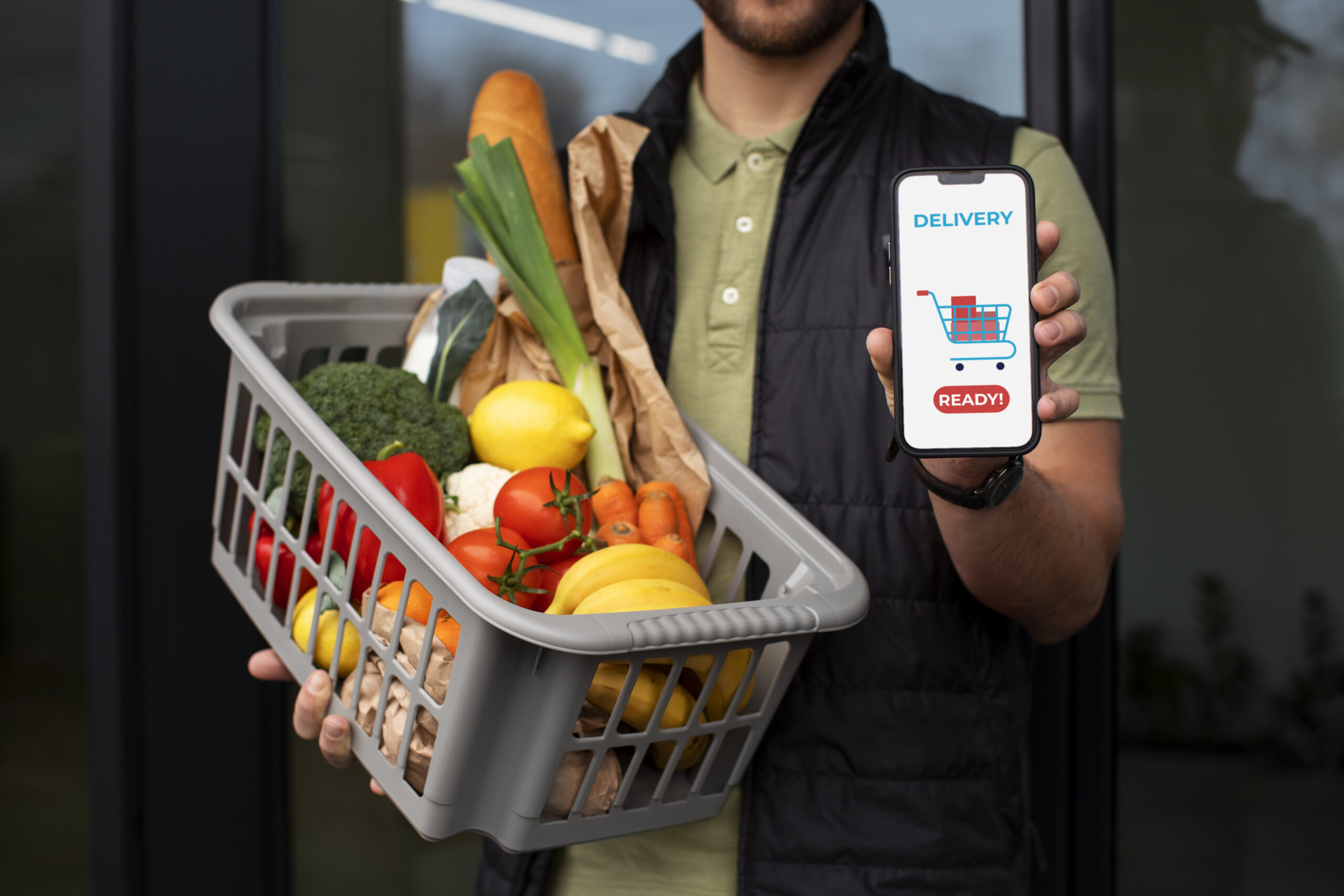
This is exactly the problem that a B2B farm-to-business delivery platform is built to solve. Instead of phone calls, middlemen, and guesswork, businesses can order directly from farmers through an app — track the delivery in real time, and get fresh produce to their kitchen faster and cheaper.
In this post, we break down what a B2B farm-to-business delivery platform actually is, the features that make it work, the technology behind it, and what it realistically costs to build one. Whether you’re a business owner looking to adopt such a platform or an entrepreneur wanting to build the next Sprouzee — this guide is for you.
What Is a B2B Farm-to-Business Delivery Platform?
Let’s keep it simple. A B2B (business-to-business) farm-to-business delivery platform is a digital system — usually a mobile app or web platform — that connects farmers directly with businesses like restaurants, cafés, hotels, and grocery stores.
Instead of going through a distributor or broker (who adds cost and delay), a restaurant manager can open the app, browse available produce from nearby farms, place a bulk order, and get it delivered — all tracked in real time.
There are typically three sides to this kind of platform:
- Farmers or suppliers — who list their products and available stock
- Business buyers — restaurants, cafes, grocery stores placing bulk orders
- Delivery drivers — who pick up from farms and deliver to businesses
When all three are connected in one system, the entire supply chain becomes faster, cheaper, and far more transparent.
Core Features Every B2B Farm-to-Business Platform Needs
1. Shopper (Buyer) App
This is what the restaurant manager or grocery buyer uses. The key features here are:
- Product browsing with filters (by farm, produce type, availability)
- Bulk ordering with quantity selection
- Secure in-app payment (multiple payment methods)
- Real-time order tracking from farm to door
- Order history and repeat ordering
The goal is to make buying as easy as ordering food on DoorDash — but for bulk, fresh produce.
2. Driver App
Delivery drivers need their own dedicated app that handles:
- Optimized route planning (so they’re not wasting fuel or time)
- GPS tracking visible to buyers
- Proof-of-delivery (photo or digital signature)
- Real-time updates on new pickup assignments
3. Admin / Farm Management Dashboard
This is the control center — typically used by the platform operator or by farmers themselves:
- Manage product listings and inventory
- Track all active orders and driver locations
- Handle payments and settlements
- Generate reports on deliveries, revenue, and performance
4. Notifications & Communication
The platform needs to keep everyone informed — order confirmed, driver picked up, delivery on the way, delivered. These real-time alerts keep all three parties in sync and reduce support calls significantly.
The Technology Behind It (Explained Simply)
You don’t need to understand code to appreciate this. Here’s a plain-English breakdown of what goes into building this kind of platform:
- Mobile Apps (iOS & Android): Built using React Native or Flutter — these let developers write one codebase that works on both iPhone and Android, which cuts development time and cost.
- Backend Server (The Brain): Node.js or similar technology handles all the logic — order processing, matching drivers to pickups, calculating routes. Think of it as the engine running quietly behind the scenes.
- Database: Stores all information — products, orders, user accounts, delivery history. MongoDB or PostgreSQL are common choices, selected based on how complex the data structure needs to be.
- GPS & Route Optimization: Google Maps API or similar tools power real-time tracking and suggest the fastest delivery routes.
- Payments: Stripe, PayPal, or region-specific gateways handle secure transactions. Multi-gateway support means the platform works across different countries.
- Push Notifications: Firebase Cloud Messaging sends real-time alerts to all users — even in low-connectivity areas, which matters a lot in rural farming regions.
What Does It Cost to Build?
This is the question everyone wants answered. The honest answer: it depends on the scope, the team, and the features. But here’s a realistic breakdown for a platform like Sprouzee:
| Component | Basic Version | Full Platform |
| Buyer App (iOS + Android) | $8,000–$12,000 | $15,000–$20,000 |
| Driver App | $5,000–$8,000 | $10,000–$15,000 |
| Admin Dashboard | $4,000–$6,000 | $8,000–$12,000 |
| Backend & APIs | $6,000–$10,000 | $15,000–$25,000 |
| GPS, Payments, Notifications | $3,000–$5,000 | $5,000–$8,000 |
| Total Estimate | $26,000–$41,000 | $53,000–$80,000 |
Note: Costs vary based on location of the development team, feature complexity, and timeline.
Working with an experienced development partner like Aprodence — who has already built Sprouzee — can significantly reduce both cost and timeline, because the architecture is proven and the pitfalls are already known.
Real-World Results: What Sprouzee Achieved
Sprouzee, built by Aprodence, is a live example of exactly this kind of platform. After launch:
- Procurement time dropped by 40% for businesses using the platform
- Food spoilage and waste reduced significantly due to faster, optimized routing
- Farmers gained direct market access without depending on brokers
- The platform worked reliably even in rural, low-connectivity areas
These aren’t theoretical numbers. They come from real operations running on the platform.
Is This the Right Solution for Your Business?
A B2B farm-to-business delivery platform makes sense if you’re:
- A food business (restaurant, hotel, grocery) that relies on fresh produce and wants to cut procurement costs
- A farmer or cooperative that wants to reach business buyers directly
- An entrepreneur looking to build a marketplace connecting farms and businesses in the USA or any other market
- A logistics company looking to add a specialized food supply chain vertical
Final Thoughts
The farm-to-business supply chain has been broken for decades — slow, expensive, and wasteful. Technology is finally fixing that. A well-built B2B delivery platform puts farmers and businesses in direct contact, cuts out unnecessary middlemen, and makes the entire process faster and more transparent.
If you’re thinking about building something like this, the most important step is working with a team that has done it before. Aprodence built Sprouzee from the ground up — and we can do the same for your market.
Want to discuss your platform idea? Get a free consultation and product roadmap at aprodence.com.
Frequently Asked Questions
It's a digital platform — usually a mobile app — that connects farmers directly with restaurants, cafes, or grocery stores. Businesses can browse produce, place bulk orders, and track deliveries in real time, removing the need for brokers or middlemen.
A full-featured platform like Sprouzee typically takes 90 to 120 days with an experienced development team. A simpler MVP (minimum viable product) version can be ready in 60 days.
Most platforms use React Native or Flutter for mobile apps, Node.js for the backend server, Google Maps for GPS and routing, Firebase for real-time notifications, and payment gateways like Stripe for secure transactions.
A basic version typically costs $26,000–$41,000. A full platform with all features runs $53,000–$80,000. Costs depend on the development team's location and the scope of features required.
Yes. With the right architecture — like Firebase-based messaging used in Sprouzee — the platform can send reliable updates even in low-bandwidth rural areas.
Aprodence has already built and delivered Sprouzee — a live, functioning B2B farm-to-business platform. That means the architecture is proven, common pitfalls are already solved, and your project benefits from real-world experience rather than starting from scratch.